DIY Insulation VS Professional Installation

DIY-Insulation

Insulation is an essential part of any new construction or renovation. It improves energy efficiency, resulting in fewer carbon emissions, and saves money on your monthly energy bill. With so many benefits of insulation, you’re probably deciding whether or not to DIY it or have it professionally. Don’t worry– we’ll cover every bit of insulation installation in this article so you can make the best decision for your next project.
attic-insulation

Tropical Insulation is your go-to source for insulation expertise. So keep reading!

The Best Way to Install Insulation

With multiple materials available and many competitive services, you have options for your next insulation project. Depending on the material you’ve chosen, some insulators are easier to self-install than others

DIY Insulation Installation

There are many opportunities for a DIY project during construction. Depending on your personal skill, you may be competent enough to handle most, if not all, insulation materials. But for those with average skills, there are some safety, efficiency, and cost considerations.

Materials that are easier to DIY include:

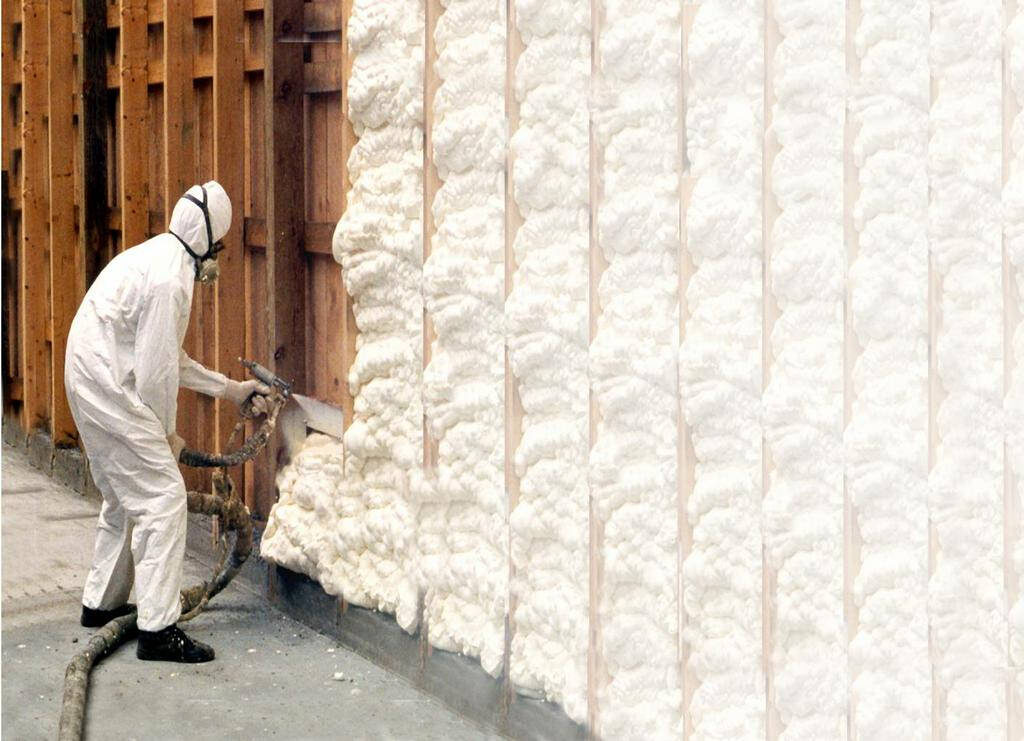
  • Spray foam insulation
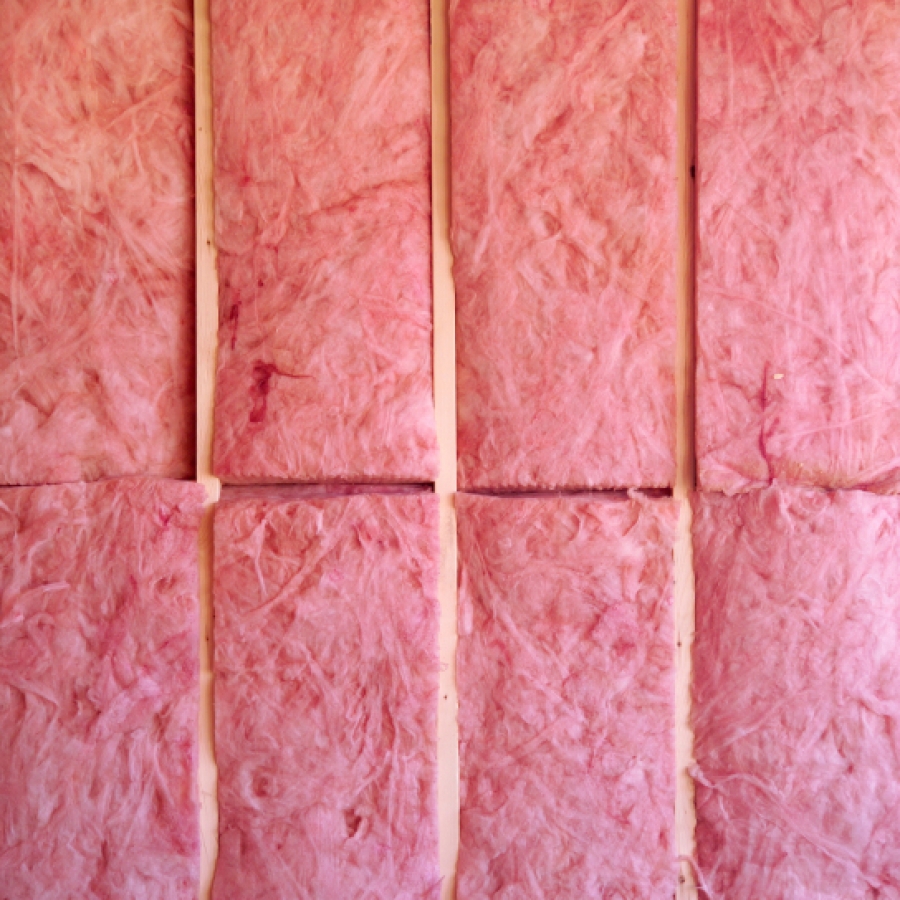
  • Fibreglass batts
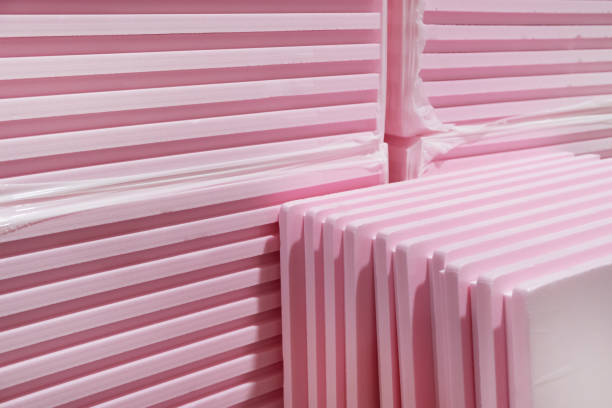
  • Foam boards

Keep in mind that these materials all have their own unique installation requirements. For example, although fibreglass is easy to install, there are some safety concerns. And while spray foam is easy to install, it is also easy to make mistakes.
DIY-Insulation

Materials that are not as easy to DIY include:

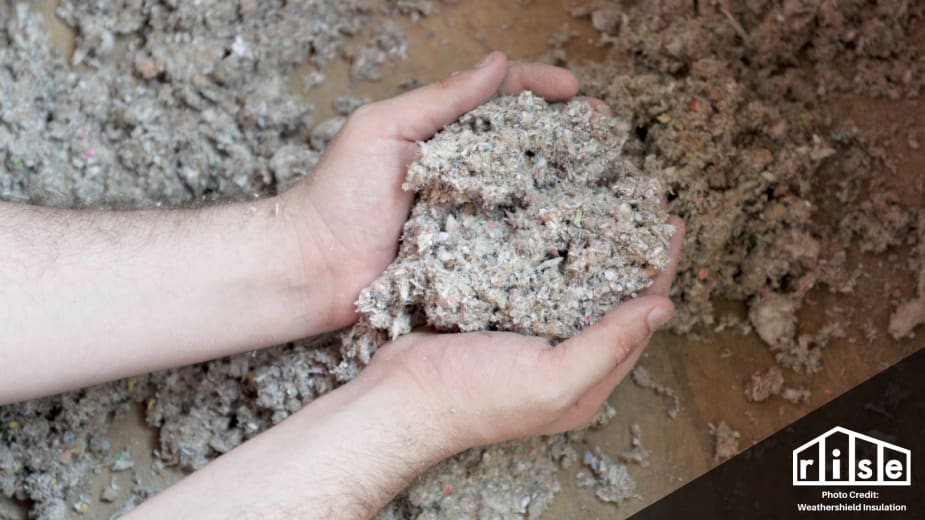
  • Cellulose
  • Loose fill
  • Rock wool

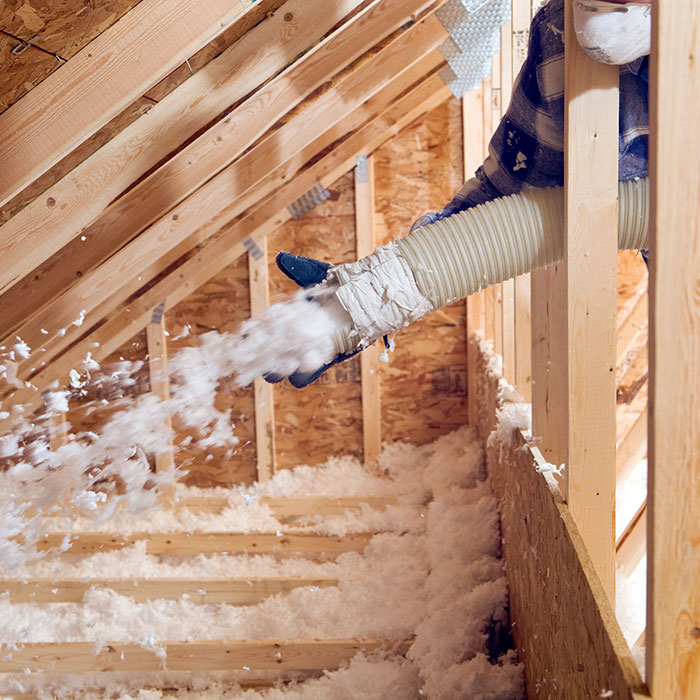
These materials generally require more skill and expertise to properly install. Cellulose, for example, is best installed with a specialized machine. Remember, when it comes to insulation, it’s important to get the job done right the first time. If there are air leaks, the insulation loses its effectiveness.

Safety Considerations

After choosing to DIY insulation, it’s important to prioritize safety. While there are many safe materials for insulation, like rock wool or cellulose, certain materials, like fibreglass, must be handled with care. Inhaling or embedding fibreglass into the skin can cause mild to severe irritation. Additionally, if insulation is improperly installed, you may encounter health concerns like growing mould. Improper insulation can even lead to structural issues, which can be a major safety concern.

That’s why if you’re unsure of your own capabilities, it’s best to hire the pros. Take a look at our services here at Tropical Insulation and you’ll see that we have the entire process covered from start to finish.

Time Investment

Another factor to consider when going to self-install insulation is the time it takes. When doing it yourself, you must take on all of the responsibilities from measuring the number of materials you’ll need, obtaining the insulation and equipment, and making careful safety considerations to the installation itself, there are many time-consuming components to installing insulation. While all this is possible for the average person if they give it enough time, the time required for insulation projects is itself the problem.

That’s why sometimes it’s best to hire the pros. Not only do we save you time and hassle, but our expertise will ensure that you get the best quality product installed without errors.

Costs

While you might think that cost is one of the areas you’ll most appreciate when choosing to DIY your insulation, you might want to think again. When you add up the various tasks and materials, the cost between professional and self-installation is already comparable.

So, if you end up making a mistake either in ordering or installing, costs can build up quickly. It only takes a second of hesitation or mindlessness to create a costly mistake. So in the end, professional installation can save you more money than DIY installation. That being said– if you have the skills yourself, then you shouldn’t be worried about making mistakes!

Professional Insulation Installation

Professional insulation installation makes it easy to get your next project done. While it might seem like the more expensive and complicated option at first, we’ll show you why that’s not exactly the case. Overall, once you complete your booking, the professional service at Tropical Insulation makes it far easier. It’s also better to budget too, as you know your costs upfront.

Now let’s get into the details. Why exactly is professional installation better?

Safety Considerations

As we’ve previously discussed, there are many safety considerations when it comes to insulation. While materials have come a long way in recent years, particularly with energy efficiency and environmental friendliness, professional insulation installers like the pros at Tropical Insulation have the skills and equipment needed to keep themselves and your family or business safe. We make sure to monitor any material that requires ventilation. And we are careful with fibreglass because it’s an irritant. The details go on and on, which makes professional installation an even better option to avoid the risk of improper installation or unnecessary danger.
Choose the safest option and schedule Tropical Insulation for your next construction project. You can click here to get started.

Time Investment

Unlike DIY installation, professionals are capable of sourcing, delivering, and installing your chosen material in a flash. Where a DIY project might take days or weeks, we often complete projects in a single day! Of course, larger projects may require more time, but we still finish them quickly to minimize the disruption of your day-to-day life.

Tropical Insulation is easy to schedule and upfront with their time and financial quotes. So have peace of mind and relax while the pros get things done.

Costs

As a longterm investment, insulation is a no brainer. And you can customize it to suit your personal needs, whether you have environmental or financial concerns.
insulation-installation-machine

One of the ways you can save yourself money on your insulation project is to hire a professional. While the installation itself incurs an additional fee compared to a DIY project, the professional service lowers the cost of mistakes. It also negates any equipment rental fees, which or more necessary than you might originally think.

Call Tropical Insulation For Your Next Insulation Project

For over 35 years, Tropical Insulation committed to servicing over 100,000 homes in the Southern Ontario region. From commercial buildings to individual homes, we have insulated every kind of building you can imagine. That’s how our expertise enables us to deliver high-quality results every time.
If you’re debating whether or not to DIY your next insulation project, give us a call at (416) 798-1310. We’re more than happy to answer your questions and guide your next project. And if it turns out that it’s too much for you to handle, we’ll be there with our expert support in no time.


The 3 Best Basement Insulation Materials

The basement often remains the last project of a new house or renovation. However, finishing this project means a complete house that saves you money and increases your comfort. They can be less inviting than the other spaces in your home, or less necessary. But when you put effort into the design and comfort of your basement, the space can flourish. One of the most important steps of any basement renovation is insulation. That’s why Tropical Insulation has all the best basement insulation materials available. Don’t hesitate to contact us with your questions or bookings.

professional-insulation-near-me

Remember that every project is unique, and that means you might require a specific type of insulator. For example, if your environment is moist, you’ll have to consider that before you insulate your home. If that’s the case, keep reading to find out which basement insulation will work best for your home.

The 3 Best Basement Insulation Materials

Having the best basement insulation material makes a huge difference in the quality of your lower level, but it’s important to choose wisely. Older homes once all used fibreglass to insulate basements, and while that remains a strong choice, there are other good candidates.

So let’s take a look at the three best basement insulators.

Fibreglass Basement Insulation

blanket-batt-insulation

The old classic: fibreglass. It’s made from plastic that is reinforced with very fine glass fibres.  Found in most older homes, everyone is familiar with this material. And that means that you know it is an irritant to the skin, eyes, and lungs. Another downside to the material is that it is prone to mould problems in the basement. So if you’re building in a wet environment, it might be best to avoid fibreglass. That being said, there are ways to build around this, and fibreglass remains the cheapest and easiest DIY basement insulation material.

Spray Foam

spray-foam-insulation

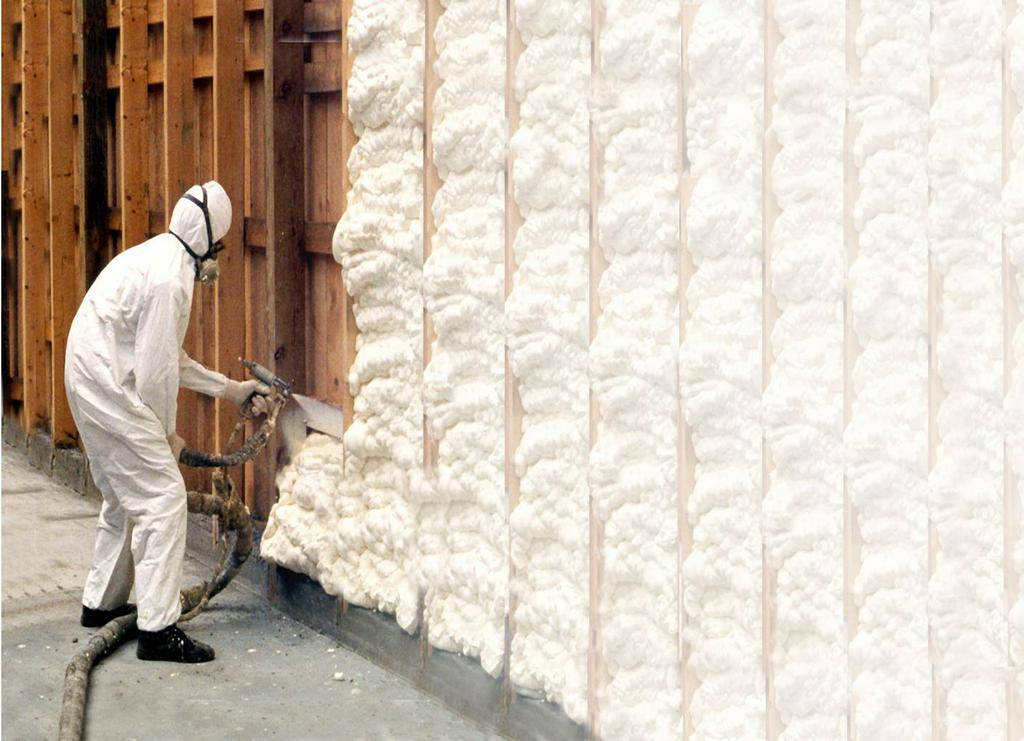
Spray foam insulation is a modern invention that has many benefits. It’s designed to fill in all the cracks and seals wherever used. That means that it’s highly effective at sealing air gaps. Often spray foam makes for the best insulation for basement walls for this reason. Another benefit to the material is that doesn’t hold water, which means you don’t have to worry about mould and mildew. And with a perfect seal, you can expect better noise reduction too!

With all the positives out of the way, it’s important to remember that spray foam is more expensive than fibreglass. It’s also not the easiest to DIY. Even if the material itself is very effective, it’s meaningless if the insulation is not applied correctly.

Foam Board Insulation For Basements

foam-board-insulation

Foam board insulation is a rigid panel that can be cut to fit any part of your home. This makes them great for a DIY project. Polystyrene or polyurethane usually compose the materials of the boards. The fantastic thing about these materials is that they resist water and create an effective air barrier. And depending on which type you get, you may not need to replace them over time. What a cost-saver!

They aren’t perfect though. With improper installation, you will have air leaks. Particularly polystyrene foam board insulation is susceptible to moisture accumulation. Also, if you don’t have access to any cutting tools, these aren’t going to be very useful.

Eco-friendly Basement Insulation

cellulose

If you’re looking for eco-friendly green insulation for your basement, you’ve got a few options. Check out our article here for a full look at all of your options, but for now, let’s take a look at sheep’s wool! You’re probably familiar with the material in clothing, but did you know that it’s one of the best insulators for basements?  It’s fire resistant, does an incredible job at insulating for temperature, and has a breathable inner layer that absorbs moisture.

Although it’s more expensive than most materials you could use, sheep’s wool is one of the best ways to set a constant temperature in your home and never change it again. Also, it saves major dollars on your energy bill every month!

Tips to Insulate Basement Walls and Ceilings

If you’re looking for some quick information on a DIY basement insulation project, check out these pro tips:

  • It’s important to create an air seal to prevent moisture and heat loss.
  • Fibreglass is the cheapest option, but spray foam is the most effective.
  • All three materials, fibreglass, spray foam, and foam board are DIY possible.
  • A perfect insulation job will save you money over time on your energy bill.

Call the professionals at Tropical Insulation here to get started on your basement insulation project now!

Best Insulation for Basement

The prospect of finishing your home excites homeowners, and Tropical Insulation exists to make the process simple and easy. When you’re choosing the best basement insulation for your home, make sure to consider a few things like moisture and temperature. Cost is another important factor. And if you’re not that great with your hands, don’t worry! Installing insulation isn’t easy.

If you have more questions or concerns about how to best insulate your basement, don’t hesitate. Take a look at the full range of our services for homeowners here, and we’ll get started right away.

The Best Type of Insulation for Home Renovation

Are you a new homeowner or business operator looking for the best types of insulation for your building? Or, are you a DIY renovator looking to improve the thermal retention of your home? At first, with so many materials available to use, it can be daunting when choosing which is the best for your building. Don’t worry though, because Tropical Insulation has all the information you need to choose the best type of insulation. And when you’re ready to install, our professionals will make the process fast and easy

home-insulation
Install your insulation before winter comes!

Keep reading to find out about the types of insulation that all homeowners should know about.

The Best Type of Insulation

So you’re in the market for new insulation and you realize there are so many different materials all with different pros and cons.  Most likely you have question about materials like cellulose and rock wool. Depending on the climate and building materials, your budget and desired outcomes, your ideal insulation will change.

What do you do? Use this guide to determine the type of insulation that’s best for your building.

What does insulation do?

Insulation is an important part of construction that keeps a building energy efficient. It is a material that is inserted in the cavities of a building to reduce heat transfer with the outside. With proper insulation, homeowners can save drastically on their energy bills all while improving the quality of their home.

This guide will outline the major details of your insulation options from blanket batts to insulation rolls, spray foam insulation, cellulose, and eco-friendly options.  Insulation technology and installation continues to evolve rapidly, and we’ll talk about the different options for new construction like structures insulated panels, or insulating concrete forms.

Let’s take a look at the best insulation options now!

Types of Insulation Materials

Here is a guide on the different types of insulation and their benefits:

Blanket Batts and Rolls:

Although there are cotton and wool versions, these are typically made with fibreglass.

blanket-batt-insulation

Pros: Cheap, DIY friendly

Cons: Irritating

Best for: DIY floor, walls, and ceiling projects

Spray Foam Insulation:

There are two types of spray foam insulators that both work by sealing leaks and gaps inside wills. Liquid polyurethane is inserted into the cavity with high-pressure. The first form, closed-cell foam, is one of the highest quality materials you can use to insulate. The second, closed-cell foams is less effective but more affordable.

spray-foam-insulation

Pros: Quality and affordable options, flexible use

Cons: Expensive, time consuming

Best for: Adding insulation to finished areas, or irregularly shaped spaces

Foam Boards/Panels:

Usually made from polystyrene or polyisocyanurate, this type of insulation is effective for both interior and exterior spaces. Better even, they also are very efficient.

foam-board-insulation

Pros: Practical use, easy installation

Cons: Inflexible for irregular spaces

Best for: Foundation walls, basement floors, ceilings

Rockwool:

Rockwool, or mineral wool is made from extruded lava rock. It is a high quality type of insulation material.

rock-wool-insulation


Pros: Natural material, insulates sound, fire and moisture resistant, easy to install

Cons: Expensive

Best for: residential wood-framed structures

Cellulose:

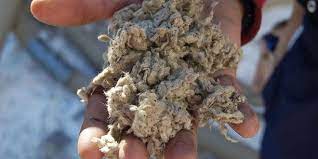
Also known as loose fill insulation, cellulose is a form of blown-in insulation. It is typically made with recycled paper or denim that is sprayed with pest resistant chemicals.

cellulose-insulation

Pros: DIY possible, eco-friendly

Cons:  Hard to DIY

Best for: attic floors, horizontal spaces

Beyond these materials, there are many more insulation solutions for different indoors and outdoor projects. Take a look at our article on sound-proof insulation here to find how insulation can improve your quality of life

Eco-Friendly Insulation

In the modern world, sustainable insulation is increasingly important. Let’s take summarize your environmentally-friendly insulation options:

  • recycled denim
  • recycled paper
  • wool
  • cork
  • cellulose
  • rock wool

If you have questions or are ready to book your insulation consultation, contact us here to reach our experts.

Insulation FAQ

Looking for the answers to the most commonly asked questions about the types of insulation materials? Look no further:

What is insulation made of?

The materials that make insulation are made of many different materials. Ranging from man-made to eco-friendly options, some products are more suitable for certain scenarios than others. Contact an insulation professional now to find out which insulation is right for you.

What is insulation?

Insulation products work by trapping air,  as well as preventing air and heat transfer. There are different types of insulation, from materials, to methods of insulation. Some materials work through reflective or radiant barriers that reflect heat. Others, like vapour barriers, help prevent moisture transfer, which can be ideal for damp climates.

What is the best insulation?

There are many types of insulation, and even more ways to use these materials in a building. Some types of insulation are better for newer projects, while others are superior for renovations. Some types of insulation work well in cold climates, and others in dry. That being said, if you were looking for the warmest insulator available, check out a silica aerogel. These have extremely low thermal conductivities, which means that they will keep your house warmer, longer.

Is installing insulation safe?

It is important to consider safety for any construction project. First, certain types of insulation like fibreglass batts or spray foam can irritate the skin and breathing. Another danger that may lurk in old homes is asbestos, which is extremely dangerous when inhaled. If you’re not feeling confident about your DIY insulation skills, an installation professional can make the job quick and easy.

Contact a Tropical Insulation Professional Now to Discuss your Best Insulation Options

Insulation has an important role in the energy efficiency of your home. With careful preparation, you can select a type of insulation that most benefits your home. Depending on your climate, budget, and goals, there are many different options for insulation that can work. If you’re looking to DIY your insulation, try foam boards. If you’re environmentally conscious, try out cellulose or rock wool. And if you’re in doubt about what material to use, contact one of our insulation experts.

Learn more about how Tropical Insulation can help you transform your home into a warm and energy efficient space.

Understanding Climate Zones and Insulation

*Our friends over at Climatizer Insulation published this interesting article we thought we’d share here!

Avid gardeners aren’t the only ones who need to know which climate zone they live in—homeowners, too, need to be aware.

It should go without saying that your home’s insulation needs will depend on the climate where your home is located. Cold climate homes, for example, will require more insulation than warm climate homes—unless, of course, you’re willing to get a little chilly. Similarly, marine climate homes will require different types of insulation than dry climate homes to better resist moisture buildup.

Understanding the difference between various climate zones and how they each affect your insulation needs can boost your home’s energy efficiency and save you money in the long run.

What are Climate Zones?

Climate zones are any classification of geographically distinct sustained weather conditions. Though various organizations have created their own classifications for climate zones, one of the most widely used classification systems is that of the International Energy Conservation Code (IECC). Green thumbs and contractors alike pay close attention to the IECC climate zone map and its updates to ensure high performance—of perennials and insulation alike.

The IECC defines eight (8) climate zones based on average temperatures with subclassifications defined by moisture. Building America uses the IECC classifications to define its own construction climate zones—or building climate zones.

Climate Precipitation Temperature IECC Climate Zone
Hot-Humid 50cm/year or more 19.5°C or higher for 3,000 hours in 6 consecutive months

or

23°C or higher for 1,500 hours in 6 consecutive months

Zones 1A, 2A and 3A
Mixed-Humid 50cm/year or more ~5,400 HDD* or less or an average winter temperature of 7°C or less Zones 3A, 4A
Hot-Dry 49.9cm/year or less Monthly average of 7°C or more throughout the year Zones 2B and 3B
Mixed-Dry 50cm/year or less ~5,400 HDD or less or an average winter temperature of 7°C or less Zone 4B
Cold-Wet 50cm/year or more ~5,400 to ~9,000 HDD Zone 5A and 6A
Very Cold 50cm/year or more ~9,000 to ~12,600 HDD Zone 7A
Subarctic 50cm/year or more with greater precipitation in winter months ~12,600 HDD or more with an average summer month temperature of 22°C or more with 4 months above 10°C Zone 8

*Heating degree days (HDD) and Cooling Degree Days (CDD) are calculations used to approximate energy consumption needs, based on the average temperatures in a given climate zone relative to a predetermined base temperature, usually 18°C.

Most Canadian climate zones will fall within the IECC’s classification of Zone 7 and 8 and Building America classifications of “Very Cold” and “Subarctic”.

What Insulation Is Best for My Climate Zone?

Building techniques and materials vary from climate zone to climate zone—your home should be no exception to that rule. Using the right type of insulation for your climate will not only save you money on heating or cooling costs but will extend the useful life of your home’s insulation.

Various jurisdictions have their own building codes that will inform homebuilders and buyers on the type of insulation that is best suited to their needs. Nevertheless, it is best to consult with your contractor about creating the right building envelope—the physical barrier between the controlled, or conditioned, interior environment of a building and the exterior environment.

Ultimately, the type of insulation that will fill your walls, floors and attic is a decision that you’ll have to make with your contractor. Your contractor will know the best type of insulation for your home as well as the specific building and energy codes in your jurisdictional “climate”.

Tropical is the Best Name in Cellulose Insulation

Cellulose insulation offers various benefits in different climate zones. Whether it’s in a wet and cold climate or a dry and warm climate, cellulose insulation can help create a strong building envelope.

At Tropical Insulation, we pride ourselves on the versatility of our high-quality insulation. So, whether you’re trying to stay cool in Zone 1 or warm in Zone 8—or if you’re just trying to keep the sea breeze out of your living room in a marine climate—we can offer a solution to you.

Learn more about our products and services by clicking here or contact us today—no matter what zone you’re in.

The Best Type of Insulation for Soundproofing Your Home

The COVID-19 pandemic has changed the way we do a lot of things. We’re spending a lot less time browsing through our favourite department stores and a lot more time “clicking” our way down the virtual aisles. We’re carefully sticking to our social bubbles and limiting our exposure to large crowds. But perhaps the biggest shift has been in the way we work.

More people are working from home now than ever before. This shift towards “telework” seems like it’s going to stick around long after the pandemic and it’s not hard to see why. Workers are loving the short commute from the bedroom to the home office and the fact that every day feels like “Casual Friday”. Businesses love saving money on office space and are happy to provide their employees with a real opportunity to strike a sustainable work-life balance. However, for all of its perks—such as staff meetings in sweatpants—working from home presents its own unique set of challenges.

In the early weeks and months of the pandemic, many homeowners discovered that their neighbourhoods are a lot busier—and a whole lot louder—during the day than they would have imagined when they worked in a cubicle. There’s the would-be Formula One racer with a cheese grater for a muffler that comes clangouring through the neighbourhood every day at noon and the non-stop snowblowers, lawnmowers, or leaf blowers echoing through the streets. And that’s to say nothing of the noises coming from within the house. Who knew that our children’s virtual classrooms could be as loud as an arena full of laughing hyenas?

Trying to find a quiet place in the house to call a “home office” can be challenging enough to make anyone long for the days of rush hour traffic. Ok, maybe not. But it’s definitely difficult to concentrate on work when it sounds like your neighbour has taken up tap dancing… to heavy metal music, in clogs on an aluminum floor.

Fortunately, it’s easier to find some peace and quiet—and peace of mind—than you might think. The solution for a soundproof home office could, surprisingly, be hidden in your walls and ceilings.

Normally, contractors talk about the temperature retaining properties of insulation but there are more benefits than simply keeping your home warm in winter and cool in summer. In addition to their primary function, different types of insulating materials provide various benefits, including varying degrees of soundproofing.

Understanding Soundproofing

When talking about the soundproofing capabilities of various types of insulation, contractors and other industry insiders will likely use the term STC (Sound Transmission Class). In short, STC is a rating that measures the sound dampening potential of a given window, wall, door, floor, or ceiling. The higher the STC rating, the more soundproof the surface. As a reference, the typical interior drywall has an STC rating of approximately 34. That’s low enough to permit someone on the other side to hear loud voices to clearly and intelligibly.

A contractor might also throw around the term NRC (Noise Reduction Coefficient). NRC is measured on a scale between 0 and 1, with 1 being perfect noise reduction. For reference, painted drywall has an NRC of 0.05 or 5%.

Armed with these soundproofing terms, we can begin to explore the sound dampening benefits of different types of insulation.

Fiberglass Batts

Glass isn’t great at absorbing or dampening sound. All of those sound waves just reverberate right off our windows. Not surprisingly then, fiberglass—or glass wool—insulation doesn’t make for great soundproofing insulation either.

The standard fiberglass insulation installation only raises the average drywall’s STC rating from 34 to approximately 39. Furthermore, fiberglass’ light and airy fabrication permits more low-frequency sounds to travel through walls, ceilings, and floors more readily.

Foam Insulation Boards

Expanded foam board insulation such as polystyrene can be an affordable and effective soundproofing solution. That being said, not all foam boards are made equal. Extruded Styrofoam, for example, only has an STC rating of 37—that’s only marginally better than a paper wall with some paint on it.

If properly installed, however, polystyrene boards can have an STC rating of between 55-57. That’s quiet enough to drown out the parade of sirens working its way down your street or the budding rock band jamming out in your basement.

It’s worth noting, however, that foam boards—polystyrene in particular—aren’t the safest options. The styrene found in polystyrene is a potential carcinogenic with links to increased incidences of lymphoma, leukemia, and various types of organ cancer. Furthermore, polystyrene products are not biodegradable and have a negative toxicological impact on the environment.

Certainly, soundproofing a room in your home such as your desired home office doesn’t have to cost a biopsy.

Spray Foam Insulation

Spray foam insulation isn’t just great at filling in your wall cavities and preventing wintry drafts from sweeping through your home. This form of insulation is an excellent soundproofing solution and is particularly effective at reducing airborne noise transfer. However, spray foam insulation can get expensive quickly. Your soundproofing budget could expand almost as much as the foam does.

It’s better to use spray foam insulation in conjunction with other forms of insulation to get all of the benefits without all of the costs.

Cellulose Insulation

Cellulose insulation is a cost-effective and eco-friendly soundproofing solution. This blown-in insulation of recycled paper materials and fire retardants won’t just boost your home’s energy efficiency rating but will also absorb sound.

Cellulose insulation has an STC rating of 44 and an NRC of 0.80. All on its own, it dampens sound enough to create a quiet, Zen-inducing home office—just don’t fall asleep. Combining cellulose insulation with another insulating material such as spray foam could reduce noise even further.


There’s no reason that your home office can’t be as quiet as it is convenient. Upgrading your home insulation with a high-quality, sound-blocking material such as cellulose can reduce the noise that enters your home and travels within it. Even insulating interior walls could have a major impact on noise reduction.

Learn more about how Tropical Insulation can help you work in peace.